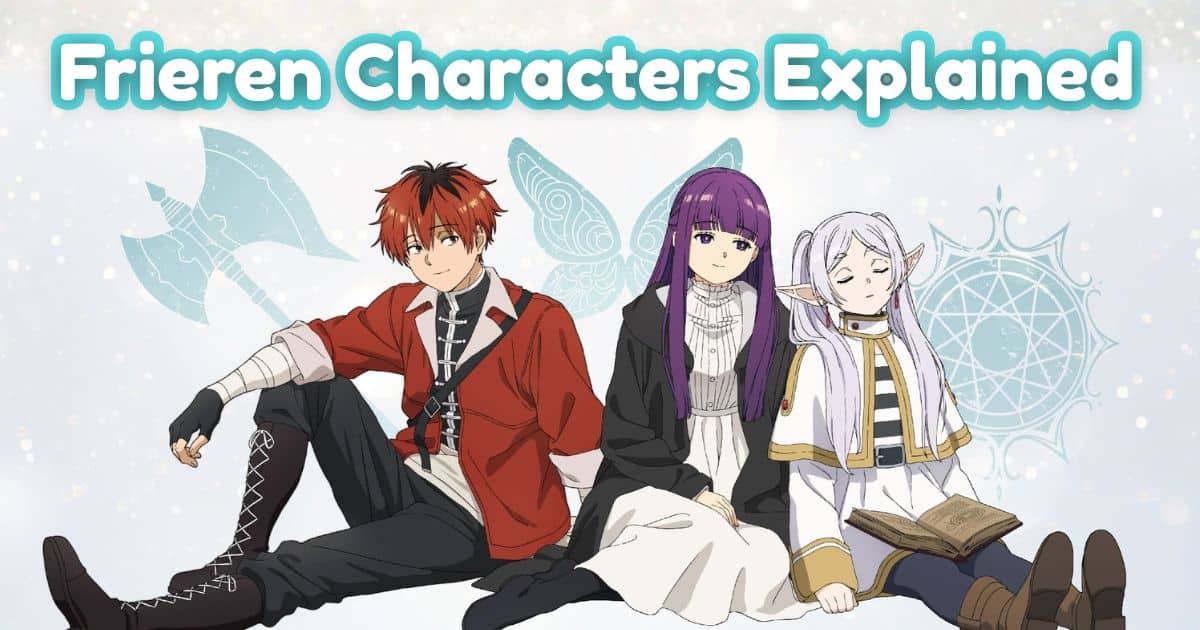
One of the strongest reasons Frieren: Beyond Journey’s End resonates with viewers in the United States is its emphasis on people rather than spectacle. While the series is set in a fantasy world, the story progresses through reflection, memory, and emotional realization rather than constant action. Understanding the Frieren characters is essential to understanding why the anime feels so quiet, mature, and emotionally grounded.
This article offers an in-depth look at the main characters, their relationships, and how character development shapes the narrative. It is written for U.S. viewers, including those new to anime, who want a clear and meaningful understanding of the cast without exaggeration or confusion.
Frieren Characters
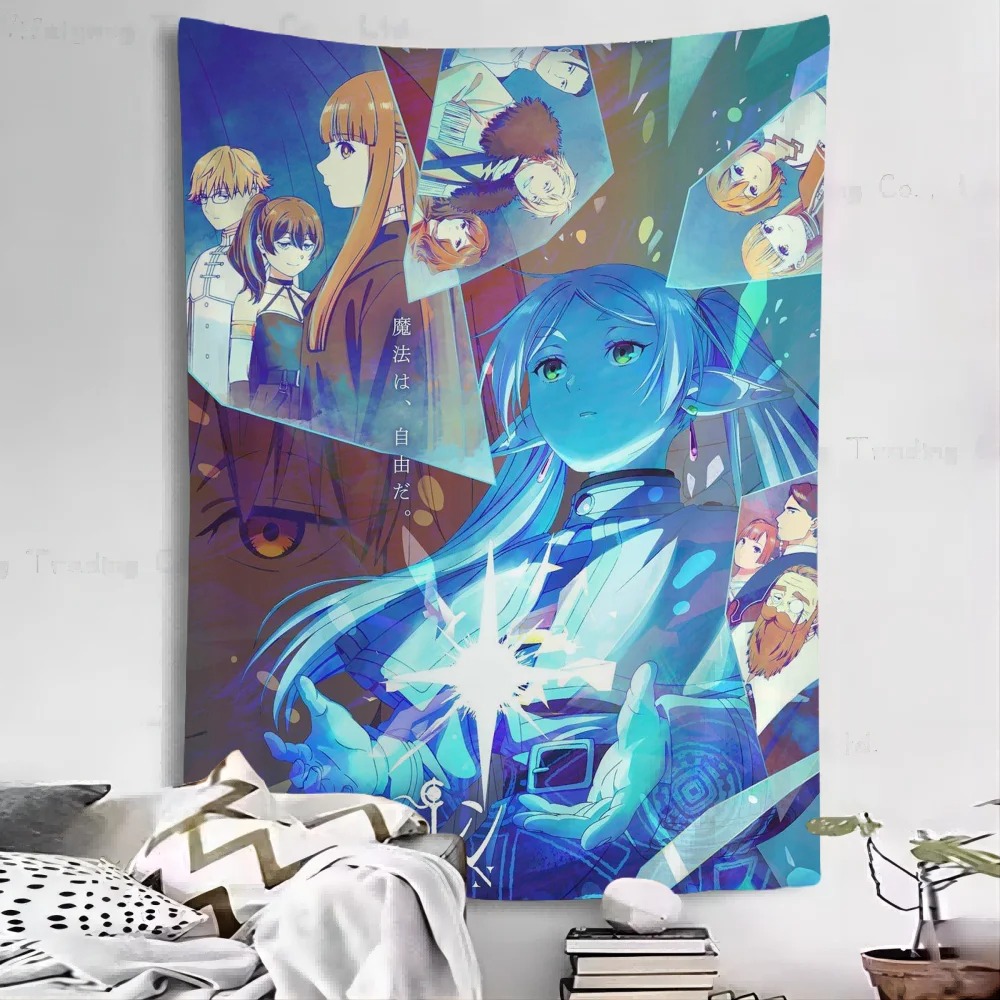
The Frieren characters are intentionally understated. Each character represents a different way of experiencing time, emotion, and personal growth. Rather than presenting a large ensemble with constant introductions, the anime focuses on a small, carefully developed group whose relationships evolve slowly.
This limited cast allows the story to explore depth instead of breadth. Characters are not defined by dramatic backstories revealed all at once, but by how they react to memories, loss, and everyday moments. For U.S. audiences accustomed to character-driven novels or prestige television, this approach often feels familiar and refreshing.
Frieren Anime Characters
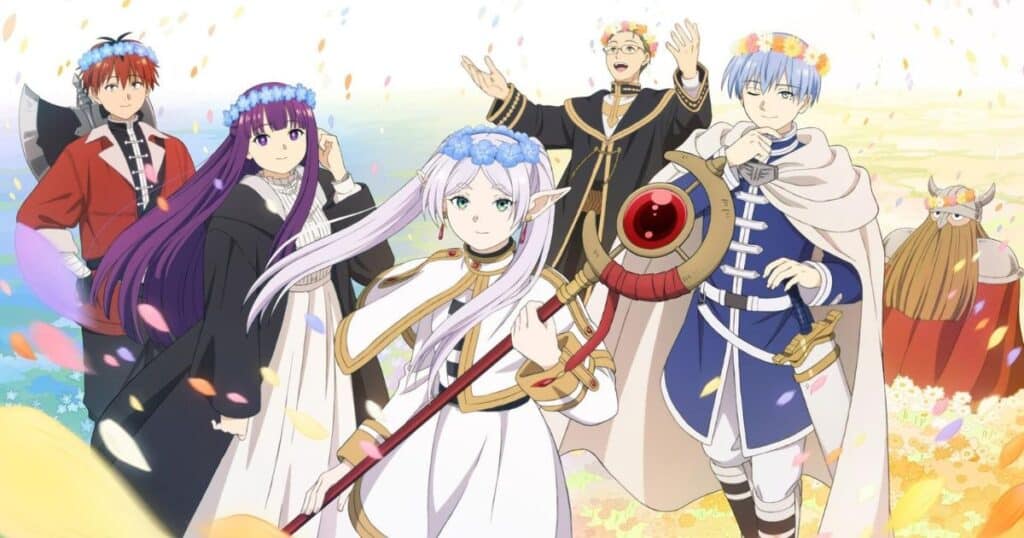
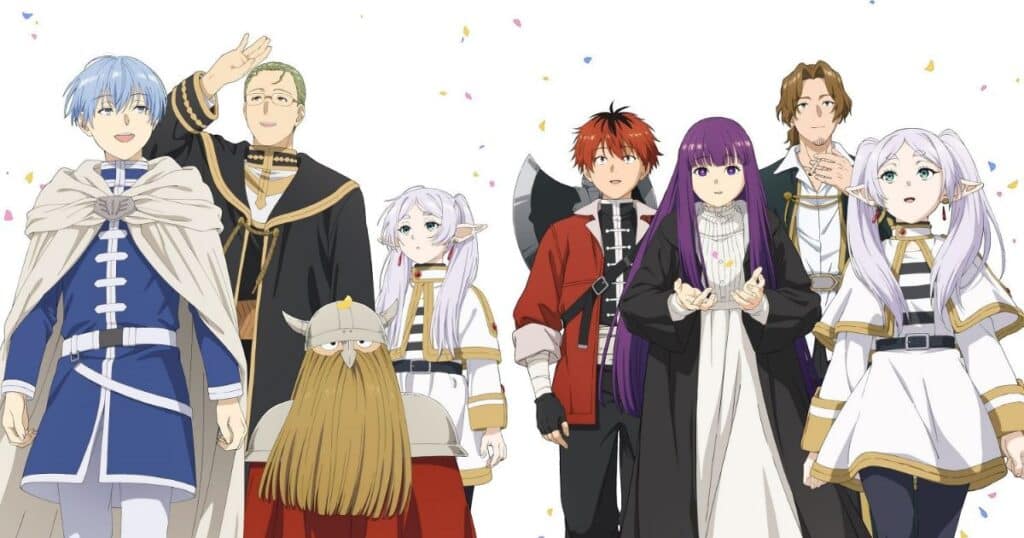
The central Frieren anime characters can be divided into two emotional groups: the past and the present.
The past consists of Frieren’s original hero party, whose journey has already ended when the anime begins. These characters represent memories and missed understanding. The present consists of Frieren’s current companions, who give her opportunities to grow emotionally in real time.
This structure allows the anime to examine how relationships continue to shape people even after they are gone. The contrast between past and present is one of the most effective storytelling tools in the series and gives the characters emotional weight beyond their screen time.
Frieren Character Frieren
At the center of the story is Frieren, an elf mage whose lifespan far exceeds that of humans. The Frieren character Frieren is not written as cold or distant by nature. Instead, she is emotionally inexperienced due to how differently she experiences time.
For Frieren, years feel brief. Moments that define human relationships feel ordinary to her at the time they occur. As a result, she does not recognize emotional significance until those moments can no longer be revisited.
Her journey is not about becoming more powerful, but about becoming more aware. She learns to listen, to observe, and to value presence. For many viewers in the United States, Frieren’s character arc resonates as a metaphor for emotional growth that happens later in life, often triggered by loss or regret.
Frieren Characters and Memory
The connection between Frieren characters and memory defines the heart of the anime. Memory is not just a narrative device—it is a force that shapes identity.
Characters are affected not only by what they do, but by how those actions are remembered. Small gestures gain importance over time. Relationships continue to matter even after people are gone.
This focus on memory gives the anime emotional depth and explains why past characters remain central to the story even when they are no longer present.
Frieren Character Development
Frieren character development is slow by design. Rather than dramatic transformations, the anime relies on accumulation. Frieren changes because she remembers. She revisits old places. She reflects on conversations that once seemed unimportant.
This gradual development mirrors real emotional maturity. People rarely change overnight. They change when patterns repeat, when memories gain new context, and when understanding arrives after time has passed.
For U.S. viewers, especially adults, this form of character development often feels more authentic than exaggerated arcs found in faster-paced series. Frieren’s growth feels earned because it respects the complexity of emotional learning.
Frieren and Himmel
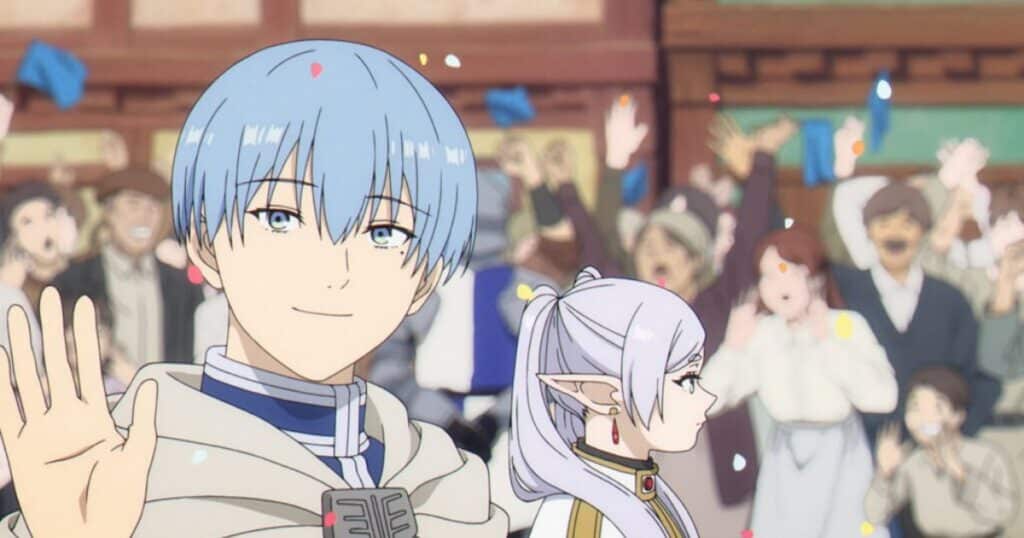
The relationship between Frieren and Himmel is one of the most emotionally significant elements of the anime. Himmel, the human hero of the original party, understands the value of moments in a way Frieren does not—at least initially.
Himmel consistently demonstrates kindness, patience, and emotional awareness. He values shared experiences even when they seem small. Frieren, meanwhile, does not yet understand why those moments matter.
After Himmel’s death, Frieren begins to reinterpret their time together. What once felt ordinary now feels precious. This realization fuels her journey and shapes her interactions moving forward. Frieren’s long lifespan causes her to experience time in a way that delays emotional realization.
Rather than presenting romance in a conventional way, the anime uses Frieren and Himmel’s relationship to explore unspoken affection, delayed understanding, and emotional regret. This subtle approach often resonates strongly with viewers in the United States who appreciate emotional realism over explicit romance.
Fern Frieren Character
Fern represents the present and future of Frieren’s emotional growth. The Fern Frieren character dynamic is built on mentorship, trust, and quiet emotional intelligence.
Fern is younger and human, but she often demonstrates greater emotional awareness than Frieren. She notices tension, responds to feelings, and values consistency. Through Fern, Frieren learns how her actions affect others in real time.
Their relationship is not defined by dramatic conflict. Instead, it develops through shared routines, subtle corrections, and mutual respect. Fern challenges Frieren’s emotional habits without confrontation, which allows growth to happen naturally.
For U.S. audiences, this mentor–student relationship often feels grounded and relatable, reflecting real-world dynamics between teachers, guardians, and young adults.
Stark Frieren Character
Stark plays an important role in balancing the emotional tone of the story. The Stark Frieren character dynamic introduces vulnerability, courage, and emotional honesty in a way that contrasts with Frieren’s restraint.
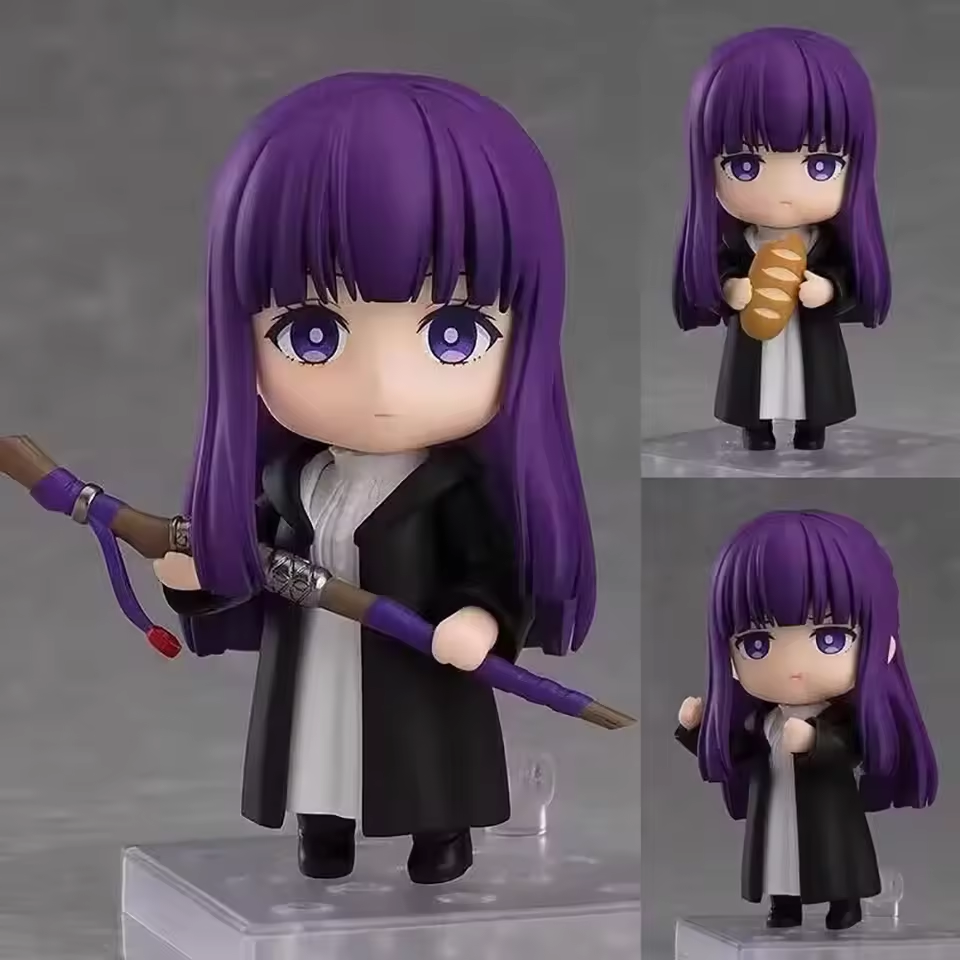
Stark is a warrior, but unlike typical fantasy fighters, he is defined more by insecurity than confidence. He doubts himself, fears failure, and openly struggles with expectations placed on him. This makes Stark feel unusually human, especially to viewers in the United States who are accustomed to flawed, character-driven heroes rather than invincible ones.
In relation to Frieren, Stark serves as a quiet emotional mirror. While Frieren struggles to recognize emotions due to her long lifespan, Stark struggles to believe in his own worth despite his short one. Their interactions highlight how different forms of emotional delay can exist at opposite ends of the spectrum.
Stark’s presence also deepens the group dynamic with Fern. His straightforward reactions and visible fear often contrast with Fern’s composure and Frieren’s detachment. Over time, Stark grows not through dramatic triumphs, but through small acts of courage and persistence. This slow growth aligns perfectly with the anime’s broader themes of gradual self-understanding.
For U.S. viewers, Stark often becomes one of the most relatable characters because he reflects common human anxieties—fear of inadequacy, pressure to perform, and the desire to be dependable even when afraid. His development reinforces the idea that strength in Frieren is not about confidence, but about continuing forward despite doubt.
How Supporting Characters Shape the Story
While Frieren, Himmel, and Fern form the emotional core, supporting characters also play important roles. Each encounter introduces a new perspective on time, legacy, and memory.
These characters often appear briefly, but their impact lingers. They remind Frieren—and the audience—that actions echo forward in ways people may never fully see. This reinforces one of the anime’s central ideas: meaning is not always visible in the moment.
This storytelling choice helps Frieren avoid feeling episodic or disconnected, even when the plot appears minimal.
Strongest Character in Frieren
Many viewers ask who the strongest character in Frieren is. The anime intentionally avoids clear power rankings, but certain conclusions can still be drawn.
In terms of raw magical authority and mastery, Serie stands at the top. Her strength comes from centuries of refinement, discipline, and institutional control over magic.
Frieren herself is also extremely powerful, but her strength is quieter. She relies on preparation, knowledge, and patience rather than dominance. Other characters demonstrate strength through resilience, emotional growth, or moral clarity rather than combat ability.
The anime ultimately suggests that strength is not just about power, but about understanding—an idea that aligns closely with its themes.
Why Frieren’s Characters Feel Different
Frieren’s characters feel different because they are allowed to remain incomplete. They are not driven by destiny or constant escalation. They are shaped by reflection.
The anime trusts viewers to notice emotional change through silence, routine, and memory rather than explicit exposition. This trust is a key reason Frieren appeals to viewers in the United States who prefer subtle storytelling.
Instead of asking what characters will become, the anime asks what they failed to notice—and how that realization changes them.
Frieren Characters List Explained
The characters in Frieren: Beyond Journey’s End are written with unusual care and restraint. Rather than serving as tools to move the plot quickly, they exist to explore deeper ideas such as memory, regret, time, and emotional growth. Each character represents a different response to the passage of time—whether that time is short, long, or seemingly endless.
This Frieren characters list is designed to help U.S. viewers, especially those new to anime, understand who the major characters are, why they matter, and how they contribute to the story’s emotional depth. The descriptions below are expanded for clarity, SEO value, and readability, while remaining spoiler-light and beginner-friendly.
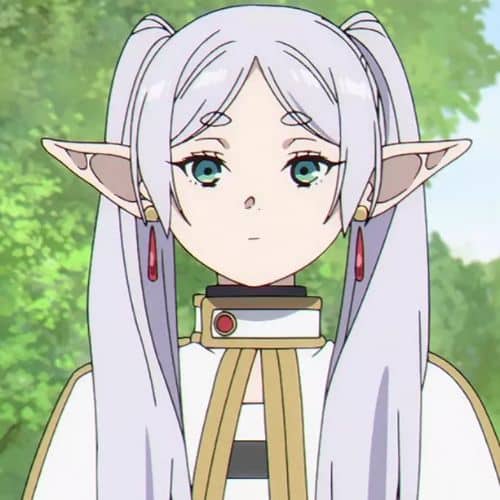
• Frieren
Frieren is an elven mage and the main protagonist. Having lived for hundreds of years, she experiences time very differently from humans. After the hero’s journey ends and her companions begin to pass away, Frieren realizes she never truly understood them while they were alive.
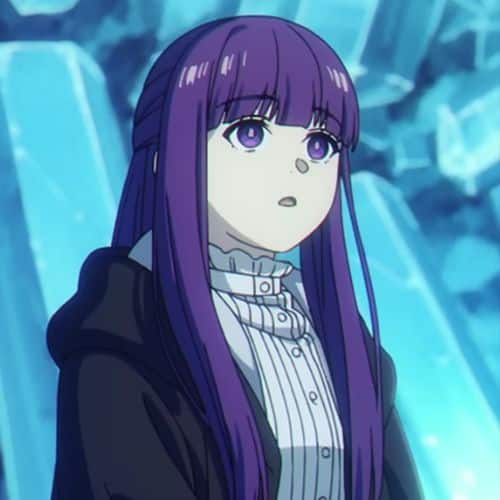
• Fern
Fern is a human mage and Frieren’s apprentice. She is disciplined, emotionally perceptive, and surprisingly mature for her age. Fern often acts as an emotional anchor for Frieren, helping her stay grounded in the present. Her character highlights responsibility, consistency, and emotional intelligence.

• Stark
Stark is a human warrior who joins Frieren’s group. Despite his physical strength, he struggles with fear, insecurity, and self-doubt. Stark’s development centers on learning to move forward even when afraid. His vulnerability and honesty make him one of the most relatable characters, especially those who connect with stories about courage.
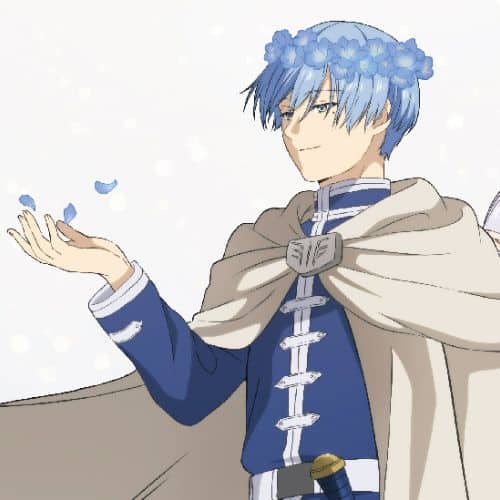
• Himmel
Himmel is the human hero from Frieren’s original party. Though he appears mostly through memories, his influence is profound. Himmel values moments, kindness, and emotional connection, often more than achievements. After his death, Frieren begins to realize how meaningful their time together truly was.

• Heiter
Heiter is a human priest from the hero party and the man who raises Fern. Known for his wisdom and contradictions, Heiter bridges Frieren’s past and present. His decision to entrust Fern to Frieren changes the direction of the story and reinforces themes of legacy, responsibility, and mentorship.
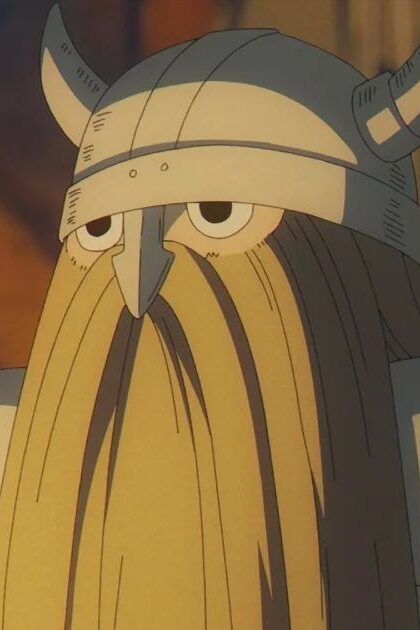
• Eisen
Eisen is a dwarf warrior from the original hero party. With a lifespan longer than humans but shorter than elves, he occupies a middle ground between generations. Eisen mentors Stark and provides stability through quiet wisdom and experience. His presence emphasizes endurance and emotional steadiness rather than dramatic action.
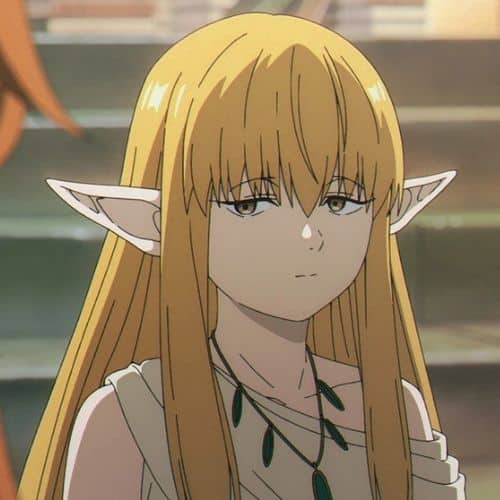
• Serie
Serie is an ancient elven mage and a major authority figure in the world of magic. She believes in strict discipline, hierarchy, and mastery above all else. Often discussed as the strongest character in Frieren, Serie represents a contrasting philosophy to Frieren’s reflective approach.

• Kraft
Serie is a monk who crosses paths with Frieren and her companions during their journey. His presence feels simple on the surface, but the story uses him as a thematic “pressure point.” He is not there to move the plot forward. He is there to sharpen the themes.
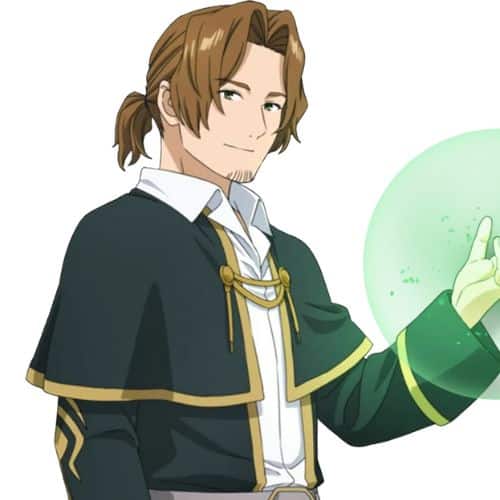
• Sein
Sein is a priest who joins the group later in the journey. Practical and grounded, he adds emotional realism and support to the party. Sein’s presence highlights themes of responsibility, adulthood, and the difficulty of choosing one’s path in life.

• Flamme
Flamme is a legendary mage connected to Frieren’s past. She plays a crucial role in shaping Frieren’s understanding of magic and long-term purpose. Flamme represents legacy and the way knowledge and values are passed across generations, even long after someone is gone.
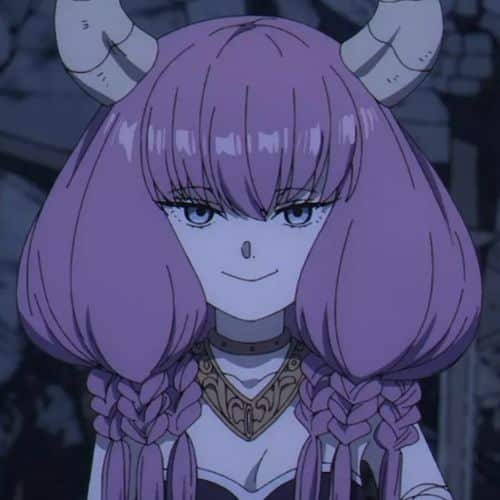
• Aura
Aura is a powerful demon antagonist associated with control and manipulation. Her role in the story emphasizes the danger of power without empathy. Aura’s encounters with Frieren showcase Frieren’s hidden strength and the importance of preparation and patience.

• Übel
Übel is a mage introduced in later arcs who stands out for her unconventional mindset and intensity. She challenges traditional ideas of morality and magic, making her a divisive but memorable character. Übel often sparks discussion among fans due to her unpredictability.
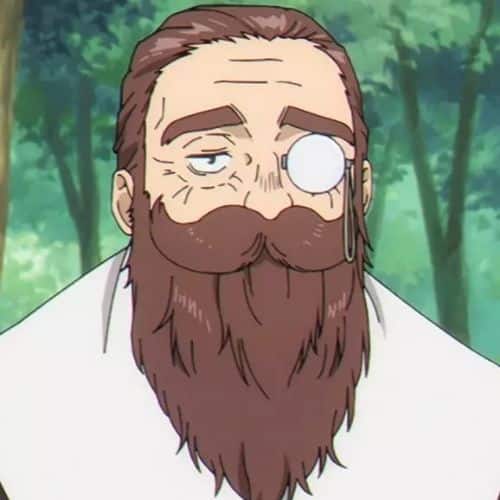
• Denken
Denken is an experienced mage known for strategy and pragmatism. His character explores ambition, responsibility, and leadership, adding depth to the series’ examination of what it means to be strong.
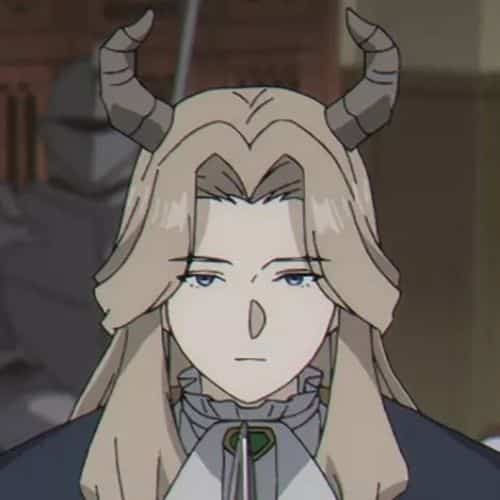
• Lügner
Lügner is a demon antagonist whose actions emphasize deception and psychological manipulation. His role reinforces the idea that danger in Frieren’s world is often subtle and hidden rather than loud or obvious.
Final Thoughts for U.S. Viewers
The strength of Frieren: Beyond Journey’s End lies in its characters and how they grow through time rather than conflict. By focusing on emotional awareness, regret, and connection, the series offers a character-driven experience that feels thoughtful and mature.
For viewers in the United States looking for anime that prioritizes depth over spectacle, Frieren’s characters provide a lasting and meaningful journey.