The ending sequence of Frieren: Beyond Journey’s End Season 2 is doing something quietly radical. While most anime endings aim to decompress with charm, fanservice, or stylized motion, Frieren’s ending doubles down on stillness, absence, and emotional afterimage.
This analysis focuses specifically on the animation style of the Season 2 ending, how it differs from Season 1, and why it fits the series’ philosophy so precisely.
First Impression: Less “Animation,” More Presence
The most immediate thing viewers notice is how little actually moves.
The Season 2 ending relies heavily on:
static compositions
minimal character motion
subtle environmental shifts
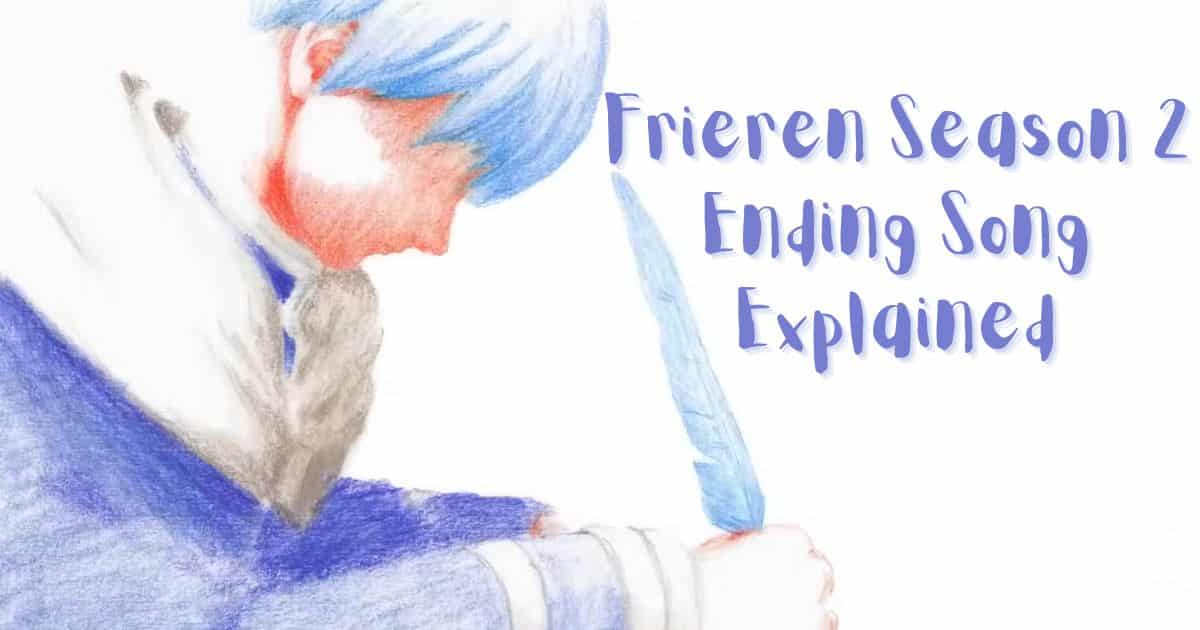
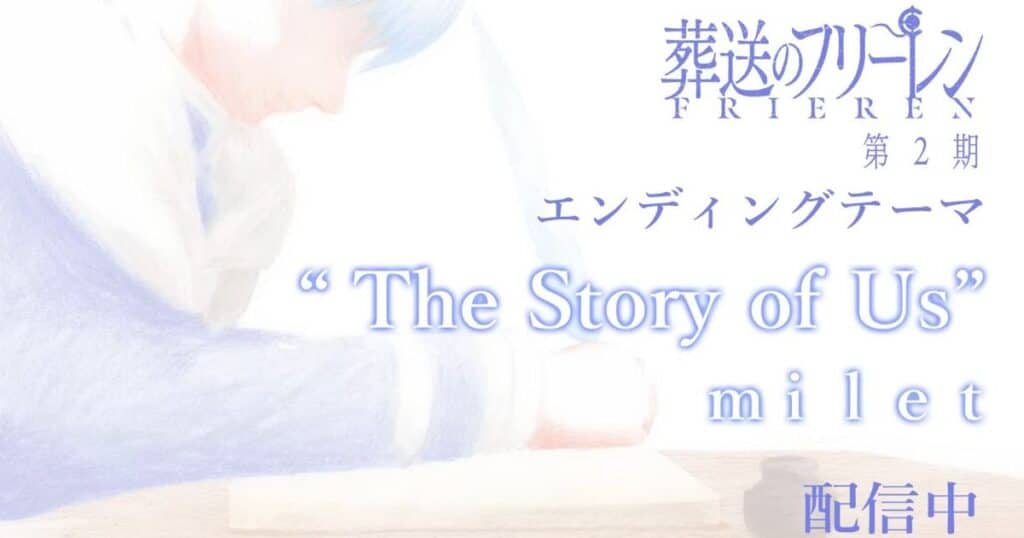
Hair barely sways. Eyes rarely blink. Many shots feel closer to illustrated panels than animated scenes. This is not a budget shortcut. It is a deliberate aesthetic decision.
By reducing motion, the ending invites the viewer to linger. You are not meant to watch it passively. You are meant to sit with it.
The Illustration-Forward Art Style

Unlike the main episode animation, which maintains full compositional depth and cinematic framing, the ending sequence leans into a flat, illustration-first style.
Backgrounds are simplified. Colors are muted and pastel-like. Linework is softer and less rigid. In several shots, characters appear almost detached from their environments, as if placed gently on top of memory rather than inside physical space.
This visual approach mirrors how Frieren herself experiences time. Events are not relived dynamically. They are remembered as still images.
Why the Ending Feels “Quiet” Even When Music Is Playing
The ending song plays continuously, yet the visuals never try to match its rhythm. There are no beat cuts, no tempo-driven edits, and no synchronized motion.
This creates a deliberate emotional dissonance. The music carries feeling forward while the visuals resist movement. The result feels reflective rather than expressive, as if the ending is not reacting to the song, but listening to it.
That restraint is key. Frieren’s ending is not a release. It is a pause.
Focus on Solitude Over Group Dynamics
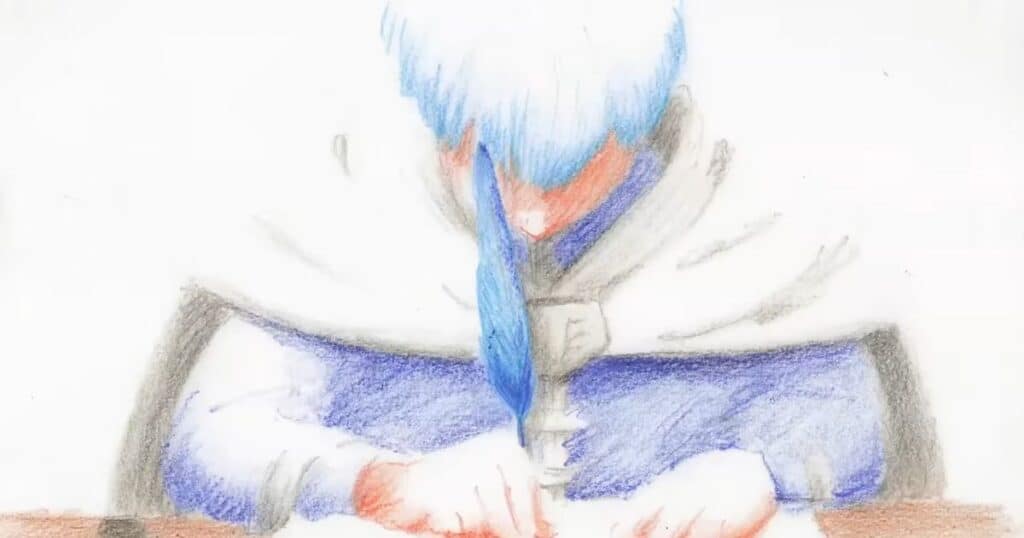
Season 2’s ending visuals consistently isolate characters, even when multiple characters appear in the same frame.
Frieren is often shown alone, centered, or slightly off-balance in the composition. Fern and Stark appear, but rarely in direct interaction. When they share space, they are visually separated by distance, framing, or negative space.
This reinforces one of Frieren’s core ideas: companionship exists, but solitude is inevitable. Time does not move evenly for everyone.
Color Palette: Memory, Not Reality
The color choices in the ending sequence lean toward washed-out blues, soft greens, and pale neutrals. Bright colors are rare. High contrast is avoided.
This palette does not represent the present moment. It represents recollection.
The visuals feel like faded photographs or watercolor impressions, suggesting that what we are seeing is not “now,” but how these moments will be remembered later.
Minimal Motion as Emotional Honesty
In many anime, emotional weight is conveyed through exaggerated movement. Frieren does the opposite.
By removing expressive motion, the ending places emotional responsibility on the viewer. You project feeling onto stillness. You fill in the gaps.
This matches Frieren’s storytelling philosophy perfectly. Meaning is not shown. It accumulates.
How Season 2’s Ending Differs From Season 1
Season 1’s ending leaned more into gentle motion and environmental warmth. It felt like a soft farewell after each episode.
Season 2’s ending feels more introspective and distant. It does not comfort. It reflects.
This shift aligns with the narrative direction of Season 2, where travel becomes harsher, memories become heavier, and the passage of time feels more consequential.
The ending evolves alongside the story, not as a branding reset, but as emotional calibration.
Why the Ending Animation Matters More Than It Seems
Ending sequences are often treated as optional. Frieren treats them as thematic extensions.
Season 2’s ending reinforces:
the weight of time
the quiet cost of connection
the loneliness that persists even in company
It prepares the viewer emotionally, not narratively, for what comes next.
In that sense, the ending is not a conclusion. It is a lingering thought.
What the Ending Says About Frieren as a Series
Frieren’s Season 2 ending animation confirms something important. This is a series that trusts silence, trusts the audience, and trusts restraint.
It refuses to decorate emotion. It lets it sit.
In a medium obsessed with movement, Frieren’s ending dares to be still. And that stillness is exactly why it stays with you.